NAD+ Explained: What It Is and Why People Associate It With Energy and Healthy Aging

Wellness Care
NAD+ Explained: What It Is and Why People Associate It With Energy and Healthy Aging

Aging is a natural part of life, yet most of us want to stay healthy and active for as long as possible. As scientific research advances, it helps us better understand the aging process, leading researchers to explore ways to support our bodies as we get older.

For many of us, energy is part of that conversation. Maybe you’ve noticed that you no longer feel as energetic as you used to, or perhaps you’re simply interested in supporting your long-term health. Either way, you may have come across NAD+.

NAD+ (nicotinamide adenine dinucleotide) is a molecule found in every living cell. It helps your body turn food into usable energy and supports the everyday work your cells do to maintain themselves. Researchers are interested in whether supporting NAD+ levels could help us feel more energetic or age more healthfully, but human studies haven’t yet shown that taking it reliably delivers those benefits.

What Is NAD+?

NAD+ is short for nicotinamide adenine dinucleotide. It is a coenzyme, meaning it helps other molecules carry out essential chemical reactions in the body.

One of its most important jobs is helping cells process the nutrients we eat. NAD+ participates in reactions that transfer electrons, allowing the body to convert carbohydrates, fats, and proteins into energy that cells can use. It also helps cells respond to stress, supports processes involved in repairing DNA damage, and regulates some of the processes that keep them functioning normally.

Your body already makes and recycles NAD+ to keep its cells functioning. Because it plays a role in so many essential processes, researchers are interested in whether supporting NAD+ levels could help us stay healthier as we get older.

What Role Does NAD+ Play in the Body?

As mentioned, NAD+ participates in several processes that help cells function normally. While its role in energy metabolism is one of the main reasons it’s become popular in wellness conversations, it’s not the only one.

Cellular energy production

When you eat, your body breaks food down into smaller molecules that your cells can use, such as glucose. As your cells process these nutrients, NAD+ accepts electrons and becomes NADH. Much of the energy-making work then takes place in the mitochondria, the tiny structures inside your cells that act like power plants, where NADH helps fuel the production of ATP. ATP is the molecule your cells use to power everyday activities, from moving your muscles to sending nerve signals.

Cellular maintenance and repair

Your cells are constantly dealing with everyday wear and tear, and NAD+ helps support some of the processes that keep them functioning properly. This includes helping cells respond to damage and maintain their DNA, which contains the genetic instructions that guide how cells function.

Cellular signaling

Your cells constantly sense changes around them and adjust how they function. NAD+ helps certain enzymes respond to those changes, influencing how cells use energy, handle stress, and carry out other essential activities. In this way, NAD+ supports the internal communication that helps cells adapt to what is happening in the body.

Why Is NAD+ Associated With Energy and Healthy Aging?

There’s a lot of information about NAD+ circulating online, and it can be difficult to know what to make of it. Some of what you may have encountered could be hyped, but some of it is rooted in real science.

Much of the interest comes from two related observations: NAD+ is essential to how our cells use energy, and researchers have found that NAD+ levels can change as we age.

Some studies have reported lower NAD+ levels in certain tissues or populations as people age. However, the pattern is not uniform across the human body, and researchers are still working to understand how NAD+ levels change in different tissues and what those changes mean for health.

Additionally, in some animal models, interventions that increase NAD+ availability have been associated with improvements in metabolic or functional measures. Those findings are encouraging and support further investigation, but animal results cannot be assumed to predict the same benefits in humans.

NAD+ is necessary for normal energy production, but that does not mean more NAD+ automatically produces more energy. Feeling tired can stem from many factors, including sleep, nutrition, medications, medical conditions, stress, and more. Likewise, healthy aging involves far more than the level of one molecule.

It’s natural to be curious about NAD+, especially if you’re looking for ways to support your energy or long-term health. But before considering supplementation or treatment, it’s worth talking with a healthcare provider about what you’re hoping to achieve and what you can realistically expect.

What Does the Research Say About NAD+ Supplementation and Treatment?

Researchers have tried different ways to increase NAD+ levels, including giving NAD+ itself and using substances the body can turn into NAD+. Two of the best-known precursors are nicotinamide riboside (NR) and nicotinamide mononucleotide (NMN). A precursor is not the same as NAD+ itself, so we can’t assume they work the same way or provide the same benefits.

A 2026 review looked at what these approaches have actually achieved. Oral precursors generally raised NAD-related levels in human studies, but the results were much less clear when researchers looked at whether people experienced meaningful health benefits. Some studies found improvements in specific measures or groups, while others found little or no benefit.

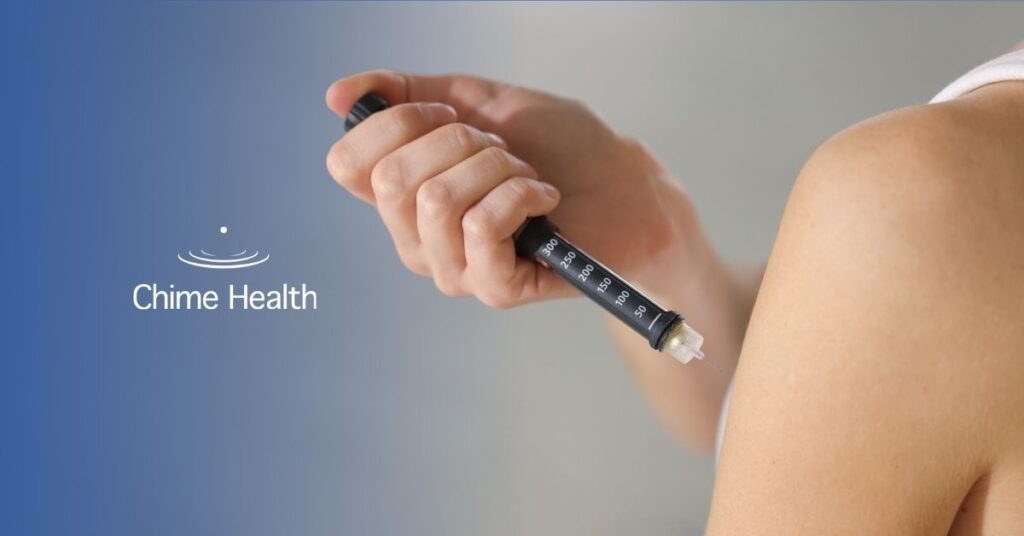
NAD+ injections and infusions are also being explored in wellness settings, although the clinical research is still limited. The same 2026 review found no eligible trials measuring whether intravenous or intramuscular NAD+ itself improved anti-aging or wellness outcomes. That doesn’t mean these approaches cannot have benefits, but it does mean we need more research before we can say what benefits they may offer for energy or healthy aging.

The bottom line is that, so far, researchers have had more success showing that certain approaches can change NAD-related levels than showing that those changes make people feel better or age more healthfully.

What Should You Know About NAD+ Marketing Claims?

While researchers continue working to understand what raising NAD+ levels may mean for our health, some wellness marketing has already moved ahead with some pretty big promises. You may see NAD+ described as a way to reverse aging, restore youthful energy, or improve performance, but those claims go beyond what human studies have established.

That doesn’t mean you need to dismiss every NAD+ option you come across. But it does mean it’s worth looking a little more closely at what you’re being told. The next time you read an article or see an ad promoting NAD+, ask yourself: Does the information explain what is known and what is still being studied, or does it make the benefits sound certain? Is there room to ask questions about the treatment, its potential risks, and whether it makes sense for your health?

If you’re exploring NAD+ through a telehealth service, those questions become especially useful. A provider-guided approach should let you discuss your health history, what you’re hoping to achieve, and what you can realistically expect, rather than treating NAD+ as the answer to every energy or healthy-aging concern.

The goal is to find care that helps you make an informed decision, not simply a service that offers the treatment you’ve been reading about.

What Should You Ask a Provider Before Considering NAD+ Support?

If NAD+ has caught your attention because of fatigue, recovery, or healthy-aging goals, a healthcare provider can help you explore whether it makes sense for you. Here are a few questions worth bringing to the conversation:

  • Could something else be affecting my energy? If you’ve noticed a persistent change, ask whether your sleep, medications, health conditions, or other factors could be contributing and whether further evaluation would be appropriate.
  • Is NAD+ appropriate for me? Discuss your health history, what you’re hoping to achieve, and whether NAD+ or another approach may be a better fit for your circumstances.
  • What benefits can I realistically expect, and what should I know before treatment? Ask what the provider hopes the treatment may help with, what remains uncertain, and what potential risks or side effects you should be aware of. If treatment is appropriate, you can also discuss how it would be administered and what to expect afterward.
  • How would this fit into my broader health plan? Talk about your long-term goals and how any treatment you’re considering would fit alongside other aspects of your health and wellness.

The point of these questions is to help you have a conversation that’s about your health, your goals, and what may be appropriate for you, rather than simply deciding whether NAD+ is worth trying.

Looking for a More Personalized Approach to Wellness?

Your interest in NAD+ might be fueled by a lingering question at the back of your mind: how can I maintain my energy and health as I get older?

At Chime Health, we approach wellness through individualized guidance rather than a single product or treatment. If you’re looking to improve your energy or are interested in healthy aging, and NAD+ has sparked your interest, we can help you explore how it may fit into your broader health goals.

Ready to explore your wellness goals? Complete the Discover Your Health Path assessment to get started.

Frequently Asked Questions

What is NAD+?

NAD+ is a molecule your body already makes and uses every day. It helps your cells turn food into usable energy and supports other important functions, including cellular maintenance and repair. It’s one of the many things your body needs to keep its cells working normally.

Does NAD+ give you more energy?

NAD+ plays an important role in how your cells produce energy, but taking more of it doesn’t necessarily mean you’ll feel more energetic. Human studies have produced mixed results, so we don’t yet know whether NAD+ supplementation or treatment can consistently improve how people feel.

Does NAD+ slow aging?

We don’t have enough human evidence to say that taking NAD+ slows aging or helps people live longer. Researchers are interested in its role in healthy aging, and some animal studies have shown encouraging results, but we still need more research to understand what those findings may mean for people.

Is NAD+ the same as NR or NMN?

No. NR and NMN are substances your body can use to make NAD+, which is why they’re called precursors. They’re not the same as NAD+ itself, and we can’t assume that taking a precursor will have the same effects as receiving NAD+ through another route.

Disclaimer

The information provided on this website, including blog articles and other educational content, is for general informational and educational purposes only. It is not intended to provide medical advice, diagnosis, or treatment and should not be used as a substitute for consultation with a qualified healthcare professional.

Healthcare decisions are individualized. Any evaluation, diagnosis, treatment recommendation, or decision to prescribe medication is made solely by the treating licensed healthcare provider based on their independent clinical judgment and an individual patient’s medical history, health status, treatment needs, and other relevant factors.

Nothing on this website guarantees that an individual will qualify for treatment or receive a particular medication, prescription, dosage, or treatment plan. Completion of an assessment, consultation, or other step in the care process does not guarantee that a prescription or any particular treatment will be provided.

Individual responses to treatment vary. No specific clinical, health, weight, cosmetic, or other outcome is promised or guaranteed. Information about potential benefits, treatment outcomes, clinical studies, or patient experiences should not be interpreted as a representation or guarantee that any individual will achieve the same or similar results.

Chime Health is not a pharmacy and does not directly dispense medications. When medication is prescribed as part of a patient’s care, prescriptions may be fulfilled by appropriately licensed third-party pharmacies, as applicable. Pharmacy services, medication availability, and fulfillment may be subject to separate requirements and limitations.

Do not start, stop, or modify a medication or treatment plan based solely on information provided on this website. Questions about your health, medications, potential risks or benefits, side effects, or treatment options should be discussed with your treating healthcare provider.

If you are experiencing a medical emergency, seek immediate medical attention or contact emergency services in your area.

Wellness Care
You may also like