You know what it feels like to try.
You have started the meal plans. Downloaded the tracking apps. Bought the groceries. Promised yourself that this Monday would be different. Maybe you have lost weight before, only to watch it slowly return when work became demanding, sleep became inconsistent, or life simply became too full.
After enough attempts, the question changes.
It is no longer only, “What should I try next?”
It becomes, “Why can’t I make this work?”
For many women over 30, unsuccessful weight loss carries an emotional weight that is rarely discussed. It can affect confidence, relationships, clothing choices, photographs, social situations, and the way you feel when you look in the mirror.
You may know exactly what you are “supposed” to do and still feel as though your body is no longer responding in the same way.
It may mean that your next step needs to be more personal than the plans you have tried before.
Why Can Weight Loss Feel More Difficult After 30?
There is no single age when the body suddenly stops responding to old habits. But by your thirties, forties, and fifties, your circumstances may look very different from when you were younger.
You may be balancing:
- A demanding career or business
- Children or family responsibilities
- Interrupted sleep
- Higher levels of stress
- Less time for meal planning and exercise
- Hormonal changes
- Changes in energy, appetite, and recovery
- Years of repeated dieting
Weight loss is influenced by much more than motivation. Health history, medications, sleep, stress, eating patterns, metabolic health, and daily routines may all affect the experience.
This is one reason generic advice can feel so frustrating. “Eat less and move more” may sound simple, but it does not explain why hunger feels difficult to manage, why progress slows, why weight returns, or why one person responds differently from another.
A more useful starting point is not blame. It is understanding.
You May Not Need Another Diet
Many women searching for weight loss after 30 are not new to nutrition or exercise.
They have often spent years learning about calories, protein, carbohydrates, fasting, meal timing, strength training, and portion control. Sometimes, the missing piece is support.
That support might include:
- A clearer understanding of your health history
- A plan that reflects your lifestyle
- Provider-guided medical options, when appropriate
- Help managing questions and expectations
- Progress and medication tracking
- Guidance when results slow down
- A longer-term plan instead of another short challenge
- Motivation to stay consistent with your journey
This is where medical weight-loss programs and GLP-1 medications have become part of the conversation.
What Are GLP-1 Medications?
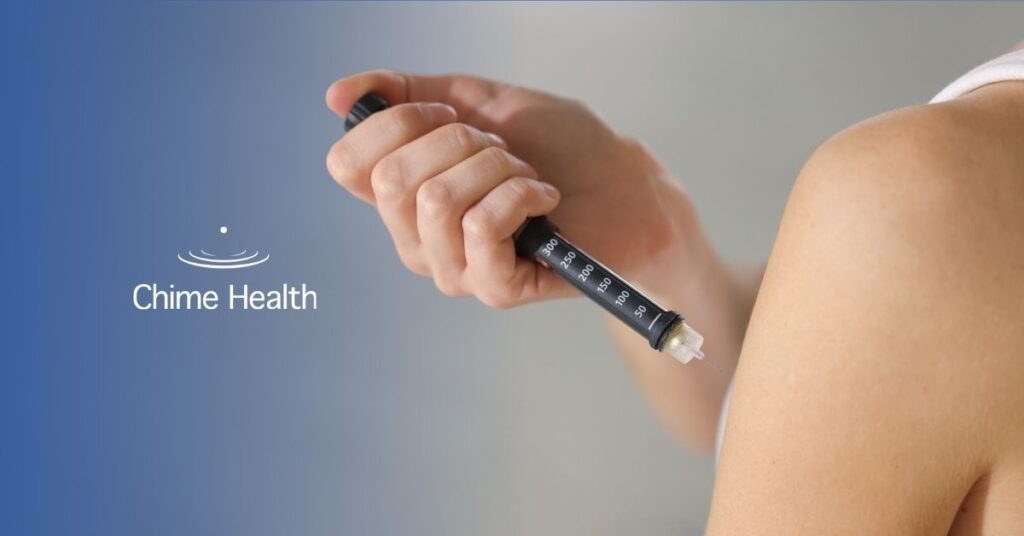
GLP-1 receptor agonists are medications that imitate the effects of a hormone involved in blood sugar regulation, appetite, and fullness. Some GLP-1 medications were first developed for type 2 diabetes and are now also prescribed for chronic weight management in eligible patients.
Some brand-name medications are FDA-approved for weight management, while others are approved for diabetes and may be prescribed differently depending on the patient and provider.
GLP-1 and GLP-1/GIP medications are prescription treatments. A licensed healthcare provider must determine whether a medication is appropriate based on factors such as medical history, body mass index, existing conditions, medications, and potential risks.
How May GLP-1 Medications Support Weight Loss?
GLP-1 medications may help reduce appetite, increase feelings of fullness, and make it easier for some people to maintain a lower calorie intake. They are not stimulants, and they do not work by simply “burning fat.”
For women who have spent years struggling with constant hunger, cravings, or intrusive thoughts about food, this can feel meaningfully different from another restrictive diet.
But these medications are not a shortcut or a guarantee.
People may experience side effects, including nausea, constipation, vomiting, diarrhea, and fatigue. Real-world patient discussions also show that users frequently seek support around side effects, dosing, nutrition, and what to expect during treatment.
That is why the quality of the program surrounding the medication matters.
Medication Access Is Not the Same as Weight-Loss Support
The rapid growth of online GLP-1 programs has made treatment more accessible, but access alone does not answer every question.
- What happens when you are unsure whether a symptom is normal?
- What happens when progress slows?
- Who helps you understand your next step?
- How do you track changes over time?
- What happens when your needs evolve?
Established telehealth programs increasingly combine eligible GLP-1 access with care teams, tracking tools, coaching, or ongoing clinical support, reflecting the fact that patients often need more than a prescription.
Before choosing a program, consider asking:
- Is treatment reviewed by a licensed provider?
- Is prescription approval guaranteed or properly presented as conditional?
- Can I contact a care team with questions?
- Are costs explained clearly?
- What happens after the first month?
- Is progress tracked?
- Is refill support available?
- Are side effects and expectations discussed?
- Does the program help me consider the broader health picture?
- Does the experience feel personal or transactional?
The best program is the one that helps you feel informed, supported, and confident about what happens next.
What If You Have Tried a GLP-1 Before?
You are not alone.
Many women begin GLP-1 treatment and later stop because of side effects, cost, lack of support, supply issues, changing circumstances, or disappointment with the experience.
Others are currently taking semaglutide or tirzepatide but feel that they are largely managing the journey by themselves.
You may be looking for:
- Better communication
- More transparent pricing
- Refill support
- Help tracking your progress
- Guidance around expectations
- A provider-guided second opinion
- A more structured long-term plan
- Support that considers energy, labs, or overall wellness
Having used a GLP-1 before does not automatically mean you should continue the same medication or dose. A licensed provider should review your current health information, treatment history, timing, and goals before making any recommendation.
Weight Loss Is Often About More Than Weight
A responsible weight-loss program should respect your emotional reality without exploiting it. It should create hope without guaranteeing transformation. It should discuss medical options without making medication sound like magic. And it should provide support without making you feel dependent or ashamed.
A More Personal Place to Begin
Chime Health was created for people who want a guided and personalized starting point.
Rather than beginning with a product list, the Chime experience begins with the Chime Path Assessment™, a free assessment designed to learn more about your goals, previous weight-loss experience, current support, interest in GLP-1 options, energy, wellness, and health insights.
The assessment is not a prescription form or medical diagnosis. It is intended to help identify which Chime pathway may be relevant.
Chime’s philosophy is that people should not simply receive a treatment and then be expected to navigate everything alone. We believe in provider-guided care, personalized recommendations, clearer next steps, portal visibility, and ongoing support.
What Happens After the Assessment?
Based on your responses, you may receive a recommended Chime health path.
If you decide to continue, the process may include:
- Reviewing your recommended pathway and available pricing
- Creating your Chime account
- Completing the required medical intake
- Having your information reviewed by a licensed provider
- Receiving a prescription only if treatment is medically appropriate
- Fulfillment through a licensed U.S. pharmacy partner, when applicable
- Viewing relevant updates through the Chime patient portal
- Accessing ongoing membership and support resources
Completing the assessment does not guarantee that a particular medication will be prescribed.
You Have Not Failed at Weight Loss
Perhaps your previous efforts taught you that strict plans do not fit your life, or they showed you that hunger was harder to manage than people understood. What you may need is more context, guidance, and support.
Your next path should be built with greater care and a clearer understanding of your health history, goals, and experience.
GLP-1 medications may be one option for some women over 30, but they are not the whole answer. You do not need another promise that everything will be easy.
You need a clearer place to begin.
Frequently Asked Questions About GLP-1 Weight Loss for Women Over 30
Are GLP-1 medications only for people with diabetes?
No. Some GLP-1 medications are FDA-approved for chronic weight management in eligible adults, while others are approved for type 2 diabetes. A licensed provider determines which options, if any, are medically appropriate.
Can women over 30 use GLP-1 or GLP-1/GIP for weight loss?
Some women over 30 may be eligible, depending on their medical history, BMI, health conditions, medications, and provider evaluation. Age alone does not determine eligibility.
Is tirzepatide the same as semaglutide?
No. Semaglutide acts on the GLP-1 receptor. Tirzepatide acts on both GLP-1 and GIP receptors. They are different medications with different dosing and treatment considerations.
What if I have tried diets but cannot lose weight?
Repeated difficulty losing weight does not necessarily mean you lack discipline. Sleep, stress, appetite regulation, health conditions, medications, and other factors may contribute. A provider-guided evaluation can help determine whether medical weight-loss support may be appropriate.
What if I am already taking a GLP-1?
You can still explore support related to tracking, provider communication, refills, progress, side effects, labs, or a possible provider change. Any decision about continuing, changing, or stopping medication should be made with a licensed healthcare provider.
Do GLP-1 medications guarantee weight loss?
No. Results vary, and no responsible provider should guarantee a specific amount of weight loss.
Do I have to buy something after completing the Chime Path Assessment™?
No. The assessment is free and does not require you to purchase a program.
Find a More Personal Starting Point
You do not need to know which medication or program is right for you before asking for help.
Start with your experience.
The Chime Path Assessment™ is designed to help you explore those questions and identify a possible next step.
Discover Your Weight Loss Path
The Chime Path Assessment™ is for informational, personalization, and routing purposes. It does not provide medical advice, diagnosis, or a prescription. Prescription treatments require medical intake and evaluation by a licensed healthcare provider. Chime does not guarantee eligibility, prescription approval, medication availability, or specific results. When medically appropriate, prescription fulfillment may be handled by licensed U.S. pharmacy partners. Compounded medications are not FDA-approved, and the FDA does not evaluate compounded medications for safety, effectiveness, or quality in the same manner as FDA-approved drugs.